You are here

Environmental Human Rights: News & Updates

News Article

In Jericó, Colombia, farmers and villagers are resisting the construction of a large copper mine by AngloGold Ashanti, fearing it will harm their water supply and agricultural livelihood. The company, seeking to extract significant amounts of copper, gold, and silver, has faced opposition from locals who blocked environmental impact studies necessary for the mining license. The town is divided, with some residents supporting the mine for its economic benefits, including job creation and community investments. Despite these benefits, environmental concerns and potential impacts on local water sources have fueled protests. The project remains stalled, awaiting further environmental studies and government approval.

News Article

In 2023, global ocean heat reached record highs, Antarctic sea ice coverage fell to record lows, and global temperatures were approximately 1.4°C above pre-industrial levels, nearing the dangerous threshold of 1.5°C. This poses a risk of irreversible damage to ecosystems and severe consequences for vulnerable populations. Governments, particularly developed nations like the United States, must urgently implement policies to reduce emissions and limit warming to below 2°C, ideally 1.5°C, by halting fossil fuel expansion.

Outdated trade and investment agreements, including Free Trade Agreements (FTAs) and Bilateral Investment Treaties (BITs) with Investor-State Dispute Settlement (ISDS) provisions, threaten efforts to reduce fossil fuel use. ISDS allows corporations to sue governments in arbitration tribunals over policies that affect their profits, often leading to costly settlements and policy rollbacks. Nearly 20% of ISDS cases are initiated by fossil fuel companies, exemplified by TC Energy suing the U.S. for $15 billion over the Keystone XL pipeline rejection and Ruby River challenging Canada's rejection of a gas facility.

ISDS poses broader threats beyond climate policy, affecting public health, labor rights, and green jobs. Civil society movements globally are campaigning against ISDS, and some countries are terminating BITs. The Biden administration has committed not to pursue new agreements with ISDS, but further action is needed.

Recommendations include:

  1. Stopping the expansion of ISDS by publicly opposing new agreements with ISDS provisions.
  2. Removing ISDS from existing FTAs and BITs through termination or renegotiation.
  3. Withdrawing consent to ISDS claims unilaterally or via multilateral instruments.

Addressing ISDS is crucial to protect public interest policies and support climate action. The U.S. must lead in eliminating ISDS to safeguard the planet and its people.

News Article

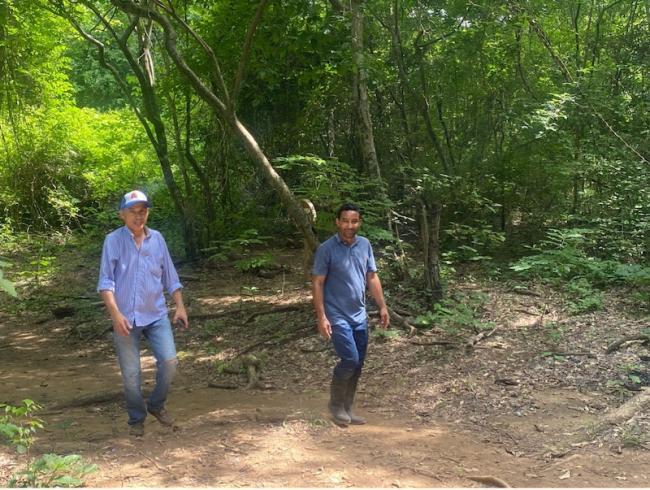
Over 700 campesinos in Cartagena del Chairá, Colombia, are restoring 4,762 hectares of degraded rainforest, planting nearly a million trees in a deforestation hotspot. Collaborating with researchers from SINCHI and the Association of Community Action Boards (Asojuntas), they have documented over 600 plant and 100 animal species. This initiative, involving environmental education and restoration activities for all ages, has inspired many youths to pursue environmental careers. Economic pressures previously drove deforestation, but now, communities are actively replanting and protecting the forest, valuing its biodiversity and ecological importance. The restoration project has fostered environmental awareness and a commitment to sustainable development among locals, with a long-term vision of a greener, biodiverse future.

News Article

A new report from the Organization of American States (OAS) highlights the severe human rights crisis in Honduras, focusing on violence against environmental defenders, particularly in agrarian land disputes affecting Indigenous and Afro-descendant communities. The report underscores that many human rights abuses, including threats, murders, and violence, are disproportionately targeted at those defending the environment, land, and territory. The OAS recommends that the Honduran government improve land titling and strengthen institutions to hold perpetrators accountable. Long-standing agrarian conflicts, inadequate land titles, and large-scale industrial projects have exacerbated violence and social unrest. The report calls for better legislation to protect collective territories and ensure prior consultation processes for affected communities.

News Article

San Pedro Sula, Honduras, currently has the worst air quality in the Americas due to forest fires exacerbated by El Niño and climate change. IQAir reported PM2.5 levels at 249.1 mcg/m³, far above the WHO's safe limit of 5 mcg/m³. Authorities have issued high-level health warnings, closed schools, and advised residents to stay indoors. The health sector has seen a 20% rise in respiratory infections, with increased emergencies among children and seniors.

Thick smog has disrupted air travel, forcing flight diversions and airport closures. The El Niño phenomenon has intensified droughts and wildfires, particularly affecting Central America's "dry corridor." Over 2,500 fires have burned 211,292 hectares in Honduras this year. La Tigra national park near Tegucigalpa was nearly destroyed, harming the ecosystem.

Officials warn that without policy changes, such environmental crises could become more frequent, threatening millions. The International Federation of the Red Cross anticipates more climate-related disasters across Central America, highlighting the need for enhanced response preparations.

Pages